
Bleeding Para-Aortic Duodenal Neuroendocrine Tumour

Updated: Feb 5
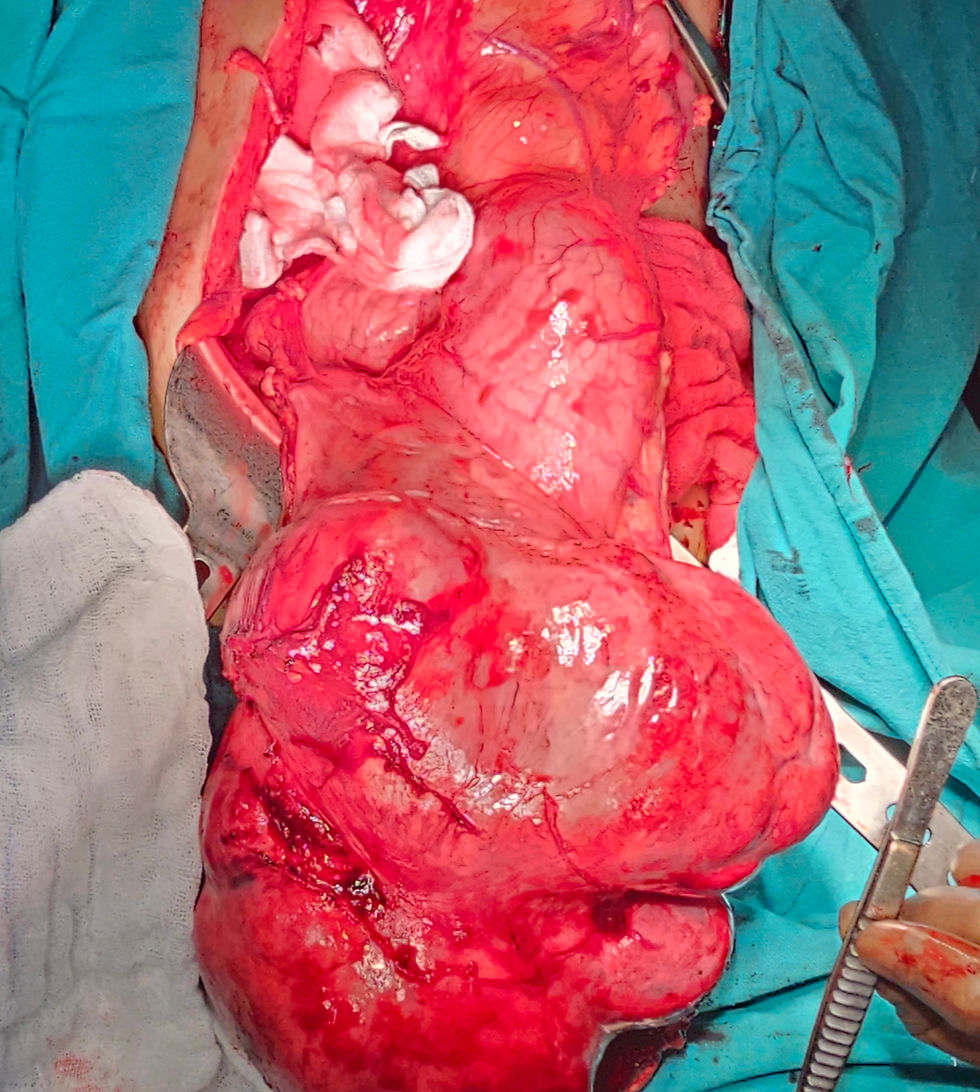
We share a successful treatment of a gentleman of age 70 who presented with passing black stools (on and off) easy fatiguability, generalised weakness & loss of appetite. About a month ago, the patient was diagnosed with anaemia and was transfused 2 units of blood (PRBC) for the same. The patient was anemic and pulsatile abdominal lump. Multiple hospital admissions and Imaging led to a diagnosis of Bleeding Duodenal D3-D4 NeuroEndocrine Tumor. The patient sought multiple opinions from various tertiary care hospitals and was referred to us. The patient underwent a successful surgery with complete tumor clearance and required adjuvant chemotherapy. The patient is on follow-up for 2 years is doing well.

FAQS
What is a Neuroendocrine Tumor (NET)?
A neuroendocrine tumor is a growth that arises from special cells called neuroendocrine cells.These cells are present throughout the digestive system and help control digestion by releasing hormones.
When these tumors occur in:
Duodenum (first part of the small intestine), or
Small bowel (jejunum and ileum),
they are called duodenal or small bowel NETs.
Most NETs are slow-growing, but some can spread if not treated on time.
Why are small bowel and duodenal NETs important?
They are often silent and difficult to detect early
Symptoms may be vague and present for years
Surgery can be curative, especially when done early
What symptoms do these tumors cause?
Many patients have no symptoms initially.
When symptoms occur, they may include:
Recurrent abdominal pain or cramps
Unexplained weight loss
Diarrhea
Intestinal obstruction (vomiting, bloating)
Gastrointestinal bleeding (black stools or anemia)
Carcinoid syndrome (in advanced cases)
If the tumor spreads to the liver, hormones may cause:
Flushing of face
Diarrhea
Wheezing
Fast heartbeat
How is NET of duodenum and small bowel diagnosed?
1. Blood and urine tests
These help suspect a NET but do not confirm it alone.
Chromogranin A (CgA) – common blood marker
24-hour urine 5-HIAA – especially if flushing or diarrhea is present
What imaging tests are used to detect NETs? (Very important)
1. CT scan (Contrast-enhanced CT)
First and most commonly used test
Helps identify:
Tumor in the intestine
Enlarged lymph nodes
Liver metastasis
NETs often appear as small, strongly enhancing tumors.
2. MRI scan
Especially useful for:
Detecting liver spread
Patients who cannot undergo CT contrast
MRI is more sensitive for liver lesions.
3. PET scan – Ga-68 DOTATATE PET-CT (Most important imaging)
This is the best scan for NETs.
Why it is important:
Detects very small tumors
Shows spread to lymph nodes, liver, and bone
Helps decide whether surgery is possible
Guides medical therapy
This scan works because NETs have somatostatin receptors.
4. Endoscopy and specialized tests
Upper GI endoscopy → for duodenal NETs
Capsule endoscopy → small bowel visualization
Double balloon enteroscopy → biopsy and localization
How is the diagnosis confirmed?
A biopsy is needed to confirm NET.
The pathology report provides:
Tumor type
Grade (how aggressive it is)
Ki-67 index (growth rate)
What is the role of surgery in duodenal and small bowel NETs?
Surgery is the main and most effective treatment
If the tumor is operable, surgery offers the best chance of cure.
Types of surgery
1. Surgery for duodenal NET
Depends on tumor size and depth:
Small, superficial tumors → endoscopic removal
Larger tumors or deep invasion → surgical excision
Tumors near pancreas or ampulla → may require major surgery (like pancreaticoduodenectomy in selected cases)
2. Surgery for small bowel NET
Most patients require:
Segmental resection of small intestine
Removal of nearby lymph nodes (very important)
Why lymph node removal matters:
Small bowel NETs commonly spread to lymph nodes early
Removing them reduces future complications and recurrence
3. Surgery even when disease has spread
In selected patients:
Removal of primary tumor helps prevent obstruction
Liver surgery or debulking may reduce symptoms
Improves quality of life and survival
What happens after surgery?
Follow-up is essential
NETs grow slowly and can recur late.
Follow-up includes:
Periodic blood tests
CT/MRI scans
Ga-68 DOTATATE PET-CT when needed
Are medicines needed after surgery?
Depending on stage and spread:
Somatostatin injections (control hormones and tumor growth)
Targeted therapy or PRRT in advanced cases
Key points to remember
NETs of duodenum and small bowel are often slow but sneaky
Imaging, especially Ga-68 DOTATATE PET-CT, is crucial
Surgery is the cornerstone of treatment
Early diagnosis leads to excellent long-term outcomes
Lifelong follow-up is important.


Comments